
 Australia
 Germany
 Italy
Italy
 Netherlands
 South Korea
 Southeast Asia
 United Kingdom
What are you waiting for?
Get back to the life you love, ask your doctor today about treating your aortic stenosis
Find out more about treatment options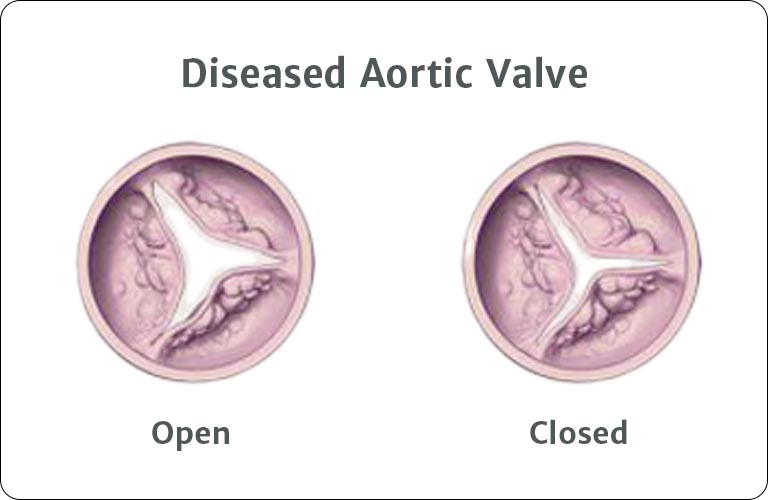
Aortic stenosis gets worse over time. Once severe, it is life-threatening.
Learn More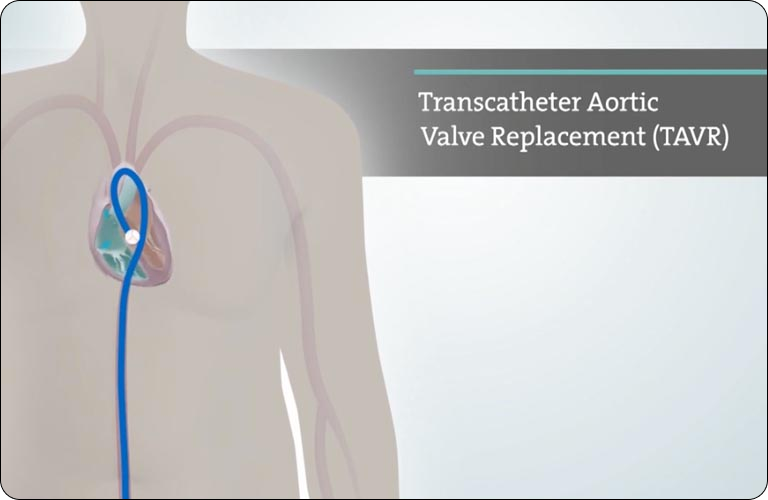
A less invasive procedure where most patients recover faster and return home sooner.1,2
Learn More
Use this Informed Discussion Guide to help you have productive discussions with your doctor.
Get your guide
What are you waiting for?
Get back to the life you love, ask your doctor today about treating your aortic stenosis
Find out more about treatment options Once it advances to the severe stage, the deadly disease won’t wait for you to delay treatment.2
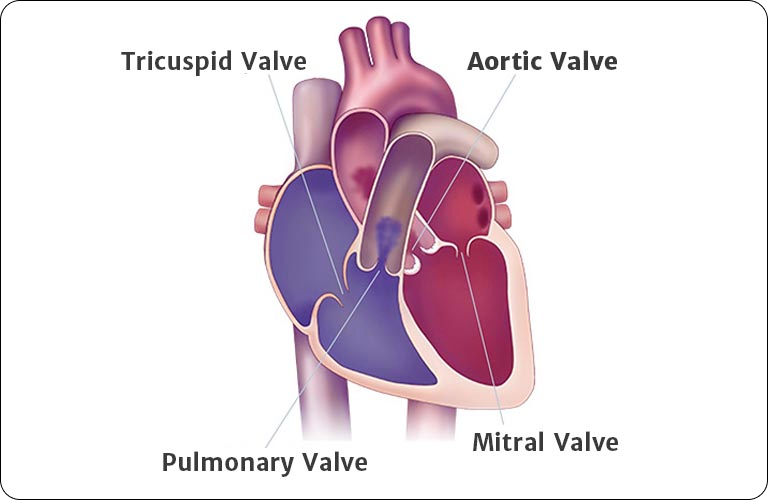
Learn what causes aortic stenosis
Once it advances to the severe stage, the deadly disease won’t wait for you to delay treatment.2
Learn what causes aortic stenosis
 at 2 years, without heart valve replacement.2
Learn why treatment can’t wait
at 2 years, without heart valve replacement.2
Learn why treatment can’t wait
 With this less invasive transcatheter valve implantation, most patients are able to return home within a few days. This allows you to get back to your life quicker.3,4
Learn about less invasive TAVI
With this less invasive transcatheter valve implantation, most patients are able to return home within a few days. This allows you to get back to your life quicker.3,4
Learn about less invasive TAVI
Yes. In fact, TAVI could be an option for patients with aortic stenosis who are experiencing symptoms.5 With transcatheter aortic valve replacement, you don't need to have your chest opened. This less invasive option can be an option for patients living with severe aortic stenosis. With TAVI, patients have a shorter recovery time and most patients return home within a couple of days.6 Speak to your doctor about treating your severe aortic stenosis and the best treatment option for you. Take back your future by treating your severe aortic stenosis.
Explore how TAVI works
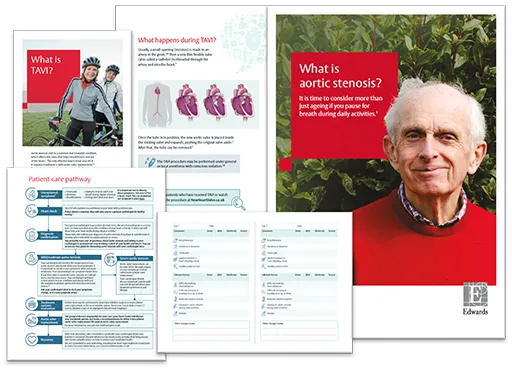
Get a free information kit by email or mail to learn more about
What you’ll receive in your kit:
References
1. Yadgir S, Johnson CO, Aboyans V et al. Global Burden of Disease Study 2017 Nonrheumatic Valve Disease Collaborators. 2020;141(21):1670–1680. doi: 10.1161/CIRCULATIONAHA.119.043391.
2. Otto CM. Timing of aortic valve surgery. Heart. 2000;84(2):211–218. doi: 10.1136/heart.84.2.211.
3. Mack MJ, Leon M, thourani VH et al. Transcatheter Aortic-Valve Replacement with a Balloon-Expandable Valve in Low-Risk Patients. N Engl J Med. 20l9;380(18):1695–1705 and supplementary material. doi: 10.1056/NEJMoa1814052.
4. Thourani VH, Kodali S, Makkar RR et al. Transcatheter aortic valve replacement versus surgical valve replacement in intermediate-risk patients: a propensity score analysis. Lancet. 2016;387(10034):2218–2225. doi: 10.1016/S0140-6736(16)30073–3.
5. Osnabrugge RLJ, Mylotte D, Head SJ et al. Aortic Stenosis in the elderly: disease prevalence and number of candidates for transcatheter aortic valve replacement: a meta-analysis and modeling study. J Am Coll Cardiol. 2013;62(11):1002–1012. doi: 10.1016/j.jacc.2013.05.015.
6. Leon MB, Smith CR, Mack MJ et al. Transcatheter or Surgical Aortic-Valve Replacement in Intermediate-Risk Patients. N Engl J Med. 20l6;374(17):1609–1620. doi: 10.1056/NEJMoa1514616.
PP--EU-7595 v2.0